Strategy, Research, and Public Engagement in the Care Space

I provide strategy, research, and public-facing content in the dementia care space and beyond.
The question that drives my work is: How do we actually care for unpaid dementia caregivers?
The answer: Consider, include, and account for these caregivers in policy, protocol, and everyday practices.
Currently, 6.9 million people in the United States are living with dementia, cared for by 11 million unpaid family dementia caregivers. More often than not, this caregiver is a woman. More often than not, this caregiver is doing it alone.
There is a pretense in the United States that these caregivers are simply not there. While considered invisible, they provide care valued at $346.6 billion annually, bolstering the Medicare and Medicaid systems. Whether unseen or actively ignored, many institutional and social approaches to these caregivers amount to taking them for granted. As a dementia caregiver to my mother for over 10 years, I know this experience well.
The time and resources it takes to provide unpaid dementia care can be wildly disruptive, impacting all areas of caregivers’ lives: mental, physical, social, and financial.
As a durational illness lasting years, these well-researched impacts accumulate and include: depression, anxiety, social isolation, increased mortality, increased cognitive decline, and increased heart disease, diabetes, and arthritis. If caregivers aren’t pushed to quit their jobs and use their savings, they are being stretched to the brink while juggling the responsibilities of work and care. Add to this those with life partners and children.
Given increased longevity and barring a medical breakthrough, the number of Americans with dementia is projected to reach 13.8 million by 2060. With the same care system in place, they will need an unpaid task force of 22 million caregivers. Not only are caregivers of today experiencing impacts of giving care, we are placing future caregivers on a trajectory toward the same impacts. Additionally, in an already unsustainable system, there will not be enough free care to go around, leaving older adults neglected at the most vulnerable time in their lives.
So…what do we do?
We continue making noise.
Back to the question: How do we care for dementia caregivers?
We continue the research, the conversations, clinical education, and create public-facing projects that reach policymakers, practitioners, and caregivers themselves, because inclusion is care.
If you or your organization works in this space, reach out! Let’s chat!
Outside of my work on care and caregiving, I’ve produced and researched topics ranging from empowerment programming in Bangladesh to experiences of being liberal in the small-town American South. Additionally, I am a seasoned solo performer and monologist. You can learn more and see some of this work under the Beyond Care tab.
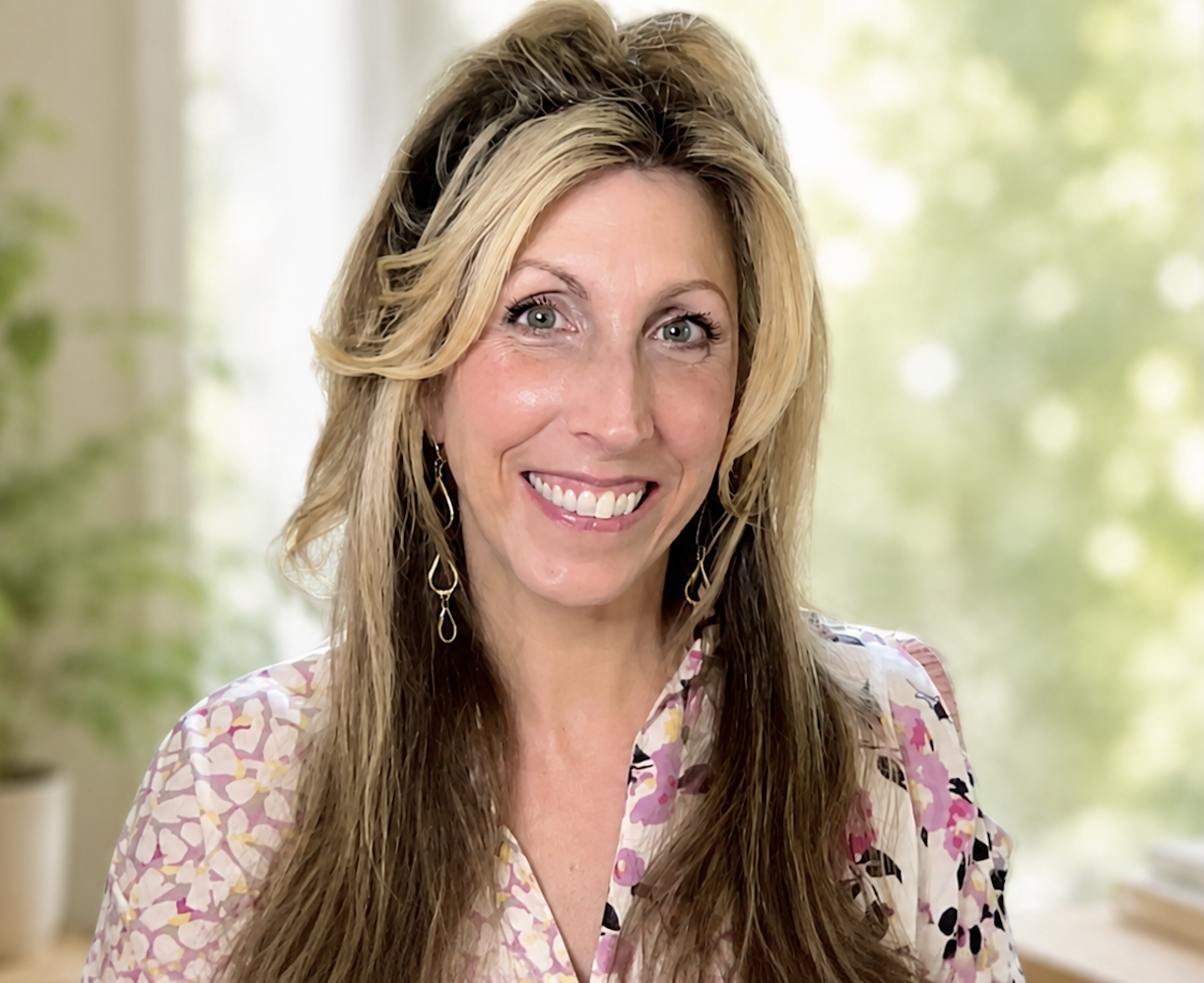
Hi, I’m Andrea Schell!
My Background
I hold an MA in Interdisciplinary Studies from New York University, where my work focused on unpaid family dementia caregiving, and an MSc in Sociology from the University of Amsterdam, where I explored feminist methodologies and representation.
Services
Strategy & Programming
Program Development & Engagement Design
Research-Informed Strategy
Curriculum Development
Qualitative Research & Insight
Interviews & Focus Groups
Thematic & Narrative Analysis
Literature Reviews & Landscape Research
Let’s Connect on Care!
Content & Communication
Documentary & Nonfiction Content Producing
Workshop Development
Workshop & Program Facilitation
Event Producing